
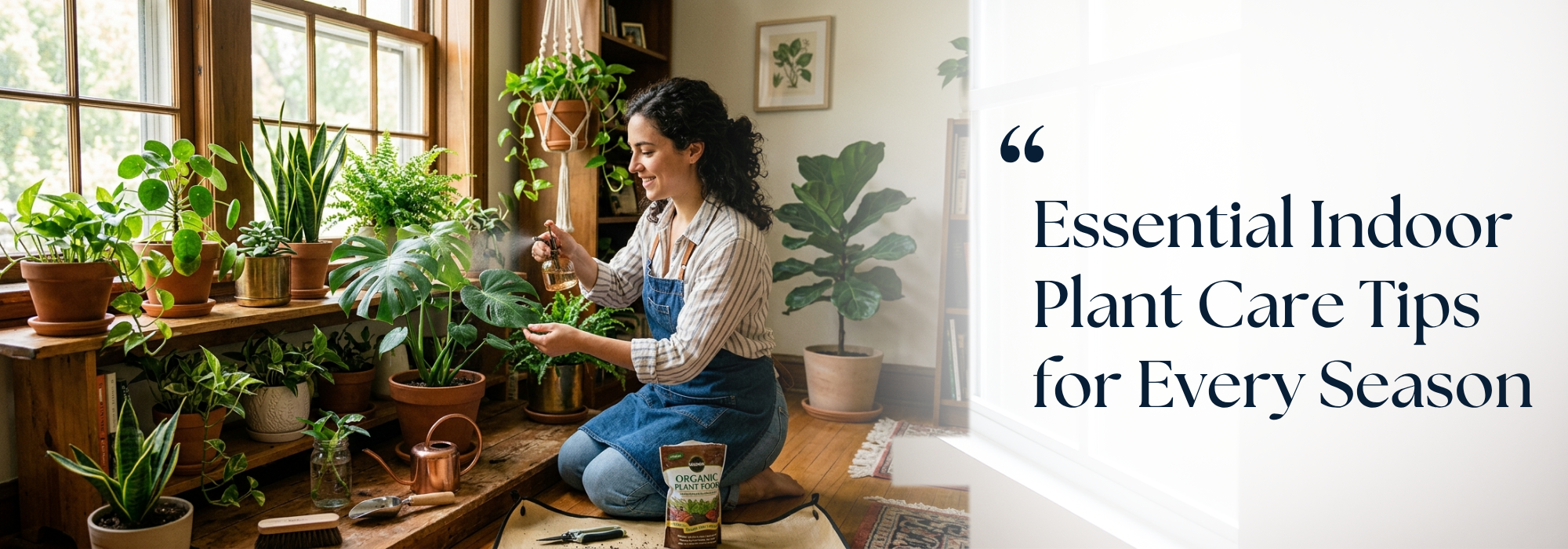
Indoor plants brighten a space, keep it feeling new, and really just make any space look better all year. But here’s the thing: taking care of them isn’t always the same in January as it is in July. Stuff like temperature, how dry your air gets, and light coming in through the windows it all changes as the months go by. So you’ve got to tweak how you water and look after your plants.
This list of indoor plant care tips is here so you know exactly what your green friends need no matter what time of year it is. Maybe you grabbed a bunch you’re growing your Indoor plant UAE, or even if you’re still figuring out Essential Indoor Plant Care Tips for Every Season, which ones are good for beginners and how to switch up your routine with each season is what really helps them stick around. When you get why seasons mess with plant growth, you’re way less likely to end up with sad droopy leaves, too much water sitting in pots, bugs taking over, or plants that barely grow at all.
The Case for Seasonal Plant Care
Indoor plants sense differences in light, dampness in the air, and warmth yes, even when they’re just sitting there on your windowsill.
Seasonal care helps:
- Encourage healthy growth
- Prevent root rot
- Improve flowering
- Reduce pest problems
- Keep leaves looking good
- Let your plant stick around longer
Tweaking your routine as the seasons change, that can totally change how well your plants do.
Learn to read your plant’s cycle
It will have times of active growth, and times between growth and rest. They grow actively for a while, slowing down after a burst of growth.
Generally:
- Spring and summer encourage active growth.
- Autumn brings slower development.
- Winter is often a resting period for many plants.
Recognizing these natural cycles helps you provide the right amount of water, nutrients, and light throughout the year.
Spring Plant Care Tips
Spring marks the beginning of active growth for most indoor plants.
This is the perfect time to:
- Repot root-bound plants.
- Begin regular fertilizing.
- Increase watering gradually.
- Prune damaged leaves.
- Clean dusty foliage.
Longer daylight hours encourage fresh growth, making spring one of the busiest seasons for plant care.
Repot When Necessary
Moving your plant to a larger container is recommended if you observe roots emerging from the bottom or begin to twist inside. Select a new pot that is slightly larger than its original size. Excessive soil movement can result in prolonged soaking. A well-drained and fresh potting mix is essential.
Begin Fertilizing
Once your plants kick back into gear and start growing again, they’ll want a bit more food. Usually, reach for a balanced liquid fertilizer about once every month or so during springtime, and every four to six weeks. Don’t go overboard; dumping on extra won’t help and can actually burn the roots.
Summer Plant Care Tips
When summer hits, sunlight ramps up, and rooms get warmer. Plants might take off with their growth, but they’ll also need some extra care.
Focus on:
- Watering more frequently
- Monitoring sunlight exposure
- Increasing humidity
- Checking for pests
Water Carefully
Warm temperatures cause soil to dry faster.
Instead of following a fixed schedule:
- Check soil moisture regularly.
- Water thoroughly when needed.
- Drain off excess water on drip trays after watering.
- Prefer not to have plants rooted up or standing in water.
Plants of different kinds need water in different ways and amounts.
Secure plants from strong sunlight
In general, plants need a certain amount of exposure to sunlight to produce photosynthesis and hence grow. However, for very delicate leaves, a direct hit of strong light such as in the afternoon could easily burn and damage the plants. To help your delicate plants grow, you should place them next to a window where they can get some sun, but it will be filtered with sheer curtains.
Many plants such as pothos and peace lilies do well in bright but not direct sunlight where they receive the light they need without being hit by direct light that can burn them.
Increase Humidity
Air conditioners can reduce indoor humidity during summer.
You can improve humidity by:
- Grouping plants.
- Using pebble trays.
- Running a humidifier.
- Lightly misting suitable tropical plants.
Maintaining proper humidity supports healthier leaves and stronger growth.
Inspect for Pests
Warm weather increases pest activity.
Check leaves regularly for:
- Spider mites
- Aphids
- Mealybugs
- Scale insects
Early detection makes treatment much easier and prevents infestations from spreading.
Autumn Plant Care Tips.
As the temperatures begin to drop, many of your houseplants will begin to slow down their growth. This is a good time to start reducing their care and help them prepare for their winter dormancy.
During autumn:
- Reduce watering frequency.
- Stop frequent fertilizing.
- Continue cleaning leaves.
- Monitor changing light conditions.
- Remove dead or damaged foliage.
These small adjustments help plants transition smoothly into winter.
Adjust Watering
During the fall, when growth of plants is much slower than in the spring and summer, you may notice that the need of the plants to receive much water is lower than in the previous months. First of all, you should examine the upper part of the soil to see if it is dry; then continue watering only when the surface becomes completely dry to the touch.
On the other hand, do not forget that overwatering plants may lead to root rot, which could destroy the whole plant. Therefore, you must also make sure to dry them a little bit before watering the plants again.
Placing the Plants Near a Window
The length of the days is getting shorter, and for some plants, it will be impossible to obtain a sufficient amount of sunlight if the change is not addressed. That is to say, if you want to supply them with a good amount of light, probably the best thing is to move the plants nearer to the window.
Here’s what matters most:
- Water sparingly
- Keep temperatures steady
- Let in as much light as possible
- Watch out for cold drafts
Water Less Frequently
Lots of people end up watering too much in winter. Always feel the soil before adding any more. Most houseplants just don’t use nearly as much water during these colder months since they aren’t growing much and there’s not much evaporating.
Protect Plants from Temperature Changes
Keep plants away from:
- Air conditioner vents
- Heating units
- Cold windows
- Exterior doors
Sudden temperature fluctuations can stress plants, causing yellow leaves or leaf drop. Most indoor plants prefer temperatures between 18°C and 27°C.
Maintain Indoor Humidity
Indoor heating and air conditioning can reduce humidity.
Increase humidity by:
- Using a humidifier
- Grouping plants together
- Placing water-filled pebble trays beneath pots
- Keeping plants away from direct airflow
Tropical plants especially benefit from higher humidity levels.
Clean Plant Leaves
Dust gradually accumulates on leaves throughout the year.
Clean leaves regularly using:
- A soft damp cloth
- Gentle water spray for smaller plants
Clean leaves soak up sunlight better, which helps plants stay strong and keep growing.
Rotate Your Plants
Flora, as you probably know, is very sensitive to light. They always seem to search for the light, even at the cost of bending or leaning one way. Your plant nursery Sharjah will surely profit from having the potted crops rotated from time to time; in that way, they will become more balanced-looking, and you will witness more green and vigorous leaves.
Absolutely Indoor Plant Mistakes to Avoid
A few gardening mistakes happen so often that almost everyone does them, including even expert gardeners.
Some of these mistakes are:
- Overwatering
- Using pots without drainage holes
- Overfertilizing
- Ignoring pests
- Placing plants in poor lighting
- Frequently moving plants between locations
Avoiding these mistakes helps plants remain healthy throughout every season.
Choose Easy-Care Plants
If you’re new to indoor gardening, start out with sturdy types that won’t ask for much attention.
Some great options:
- Snake Plant
- Spider Plant
- ZZ Plant
- Pothos
- Rubber Plant
We talk about these in our guide to the Best Indoor Plants for Beginners. They’re just right if you’ve never owned a plant before.
Thinking about adding more greenery to your indoor plant UAE lineup? Stopping by a reliable plant nursery in Sharjah gives you the chance to pick from strong, healthy plants and chat with folks who actually know how to handle them year-round.
Seasonal Indoor Plant Care Checklist
Follow this simple checklist throughout the year:
Spring
- Repot if necessary.
- Resume fertilizing.
- Increase watering.
- Prune damaged growth.
Summer
- Monitor watering closely.
- Protect plants from harsh afternoon sunlight.
- Increase humidity.
- Watch for pests.
Autumn
- Reduce watering.
- Stop regular fertilizing.
- Maximize available sunlight.
- Remove damaged leaves.
Winter
- Water sparingly.
- Protect from temperature changes.
- Maintain humidity.
- Continue cleaning leaves.
Conclusion
Following these Essential Indoor Plant Care Tips for Every Season goes a long way in keeping your plants looking good and staying healthy all year. When you tweak things like how much you water, the light they get, the humidity, or when you feed them, especially as the weather changes, you’ll dodge a lot of common problems and give your plants a better shot at steady growth. Seriously, even tiny updates to how you care for them can totally change how well your indoor jungle does over time.
So, whether you’re just starting up your own indoor plant UAE setup, grabbing new greens from a plant nursery Sharjah, or flipping through our guide to the Best Indoor Plants for Beginners, knowing what your plants need as the seasons shift is pretty much step one. Pay attention and set up a space where they can do their thing, and you’ll notice they’ll stay happy and keep making your home look fresh season after season.
FAQ
How often should I water indoor plants throughout the year?
Watering depends on the season and the plant type. Most indoor plants need more water during spring and summer when they are actively growing, and less during autumn and winter when growth slows down. Always check the top 1–2 inches of soil before watering.
Do indoor plants need different care in winter?
Yes. During winter, indoor plants generally require less water, lower fertilizer use, and protection from cold drafts. Ensure they still receive enough indirect sunlight, as daylight hours are shorter.
How can I keep indoor plants healthy during summer?
Keep plants away from harsh afternoon sunlight, water them when the soil begins to dry, maintain good humidity, and ensure proper ventilation. Avoid letting the soil dry out completely.
What is the ideal temperature for indoor plants?
Most indoor plants thrive in temperatures between 18°C and 27°C (65°F–80°F). Avoid sudden temperature changes, heaters, air conditioners, and cold drafts.
Why are my indoor plant leaves turning yellow?
Yellow leaves can result from overwatering, underwatering, poor drainage, insufficient light, nutrient deficiencies, or natural aging. Check the plant’s care requirements to identify the cause.
